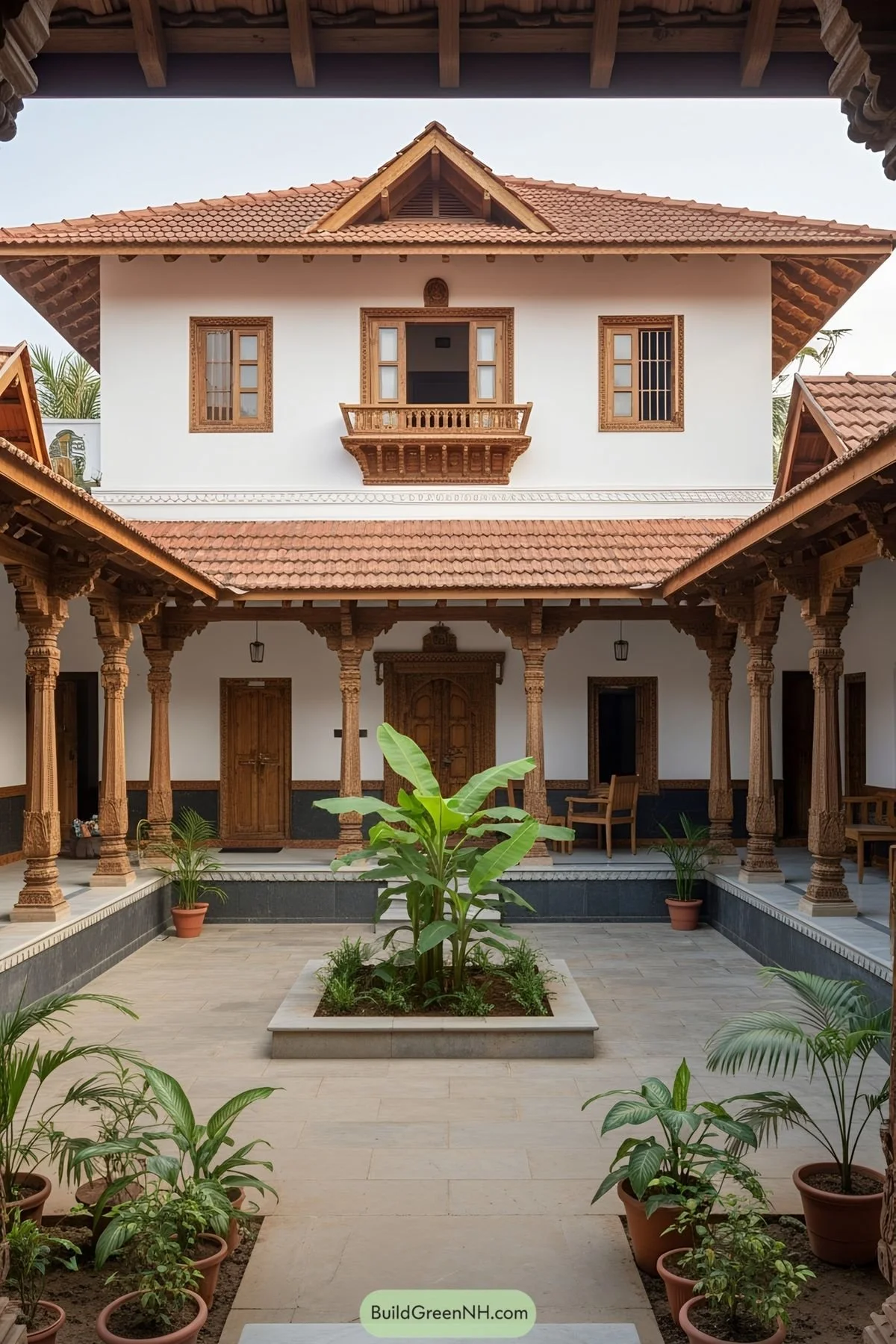
Aangan is a courtyard.

In Sindh and across much of South Asia, homes were traditionally built around large open courtyards located not at the front or back, but at the very center — a shared heart-space. Daily life unfolded here: gatherings, evening chai, and extended families coming together. In regions such as the Thar Desert, where space allowed, families would sleep beneath the open sky, resting under a canopy of stars and greeting the rising sun each morning. Communal experience was at the heart of this design.

While the physical aangan has gradually disappeared with urbanization across cities, towns, and villages, the human need for connection remains fundamental. The principles upon which the aangan was built — shared space, collective life, and meaningful connection — are the same principles that guide our vision of an urban village.

Mission statement

To revolutionize daily living through relationships: with land, people, beauty and the spirit the weaves us all together in the web of life.

Our Values
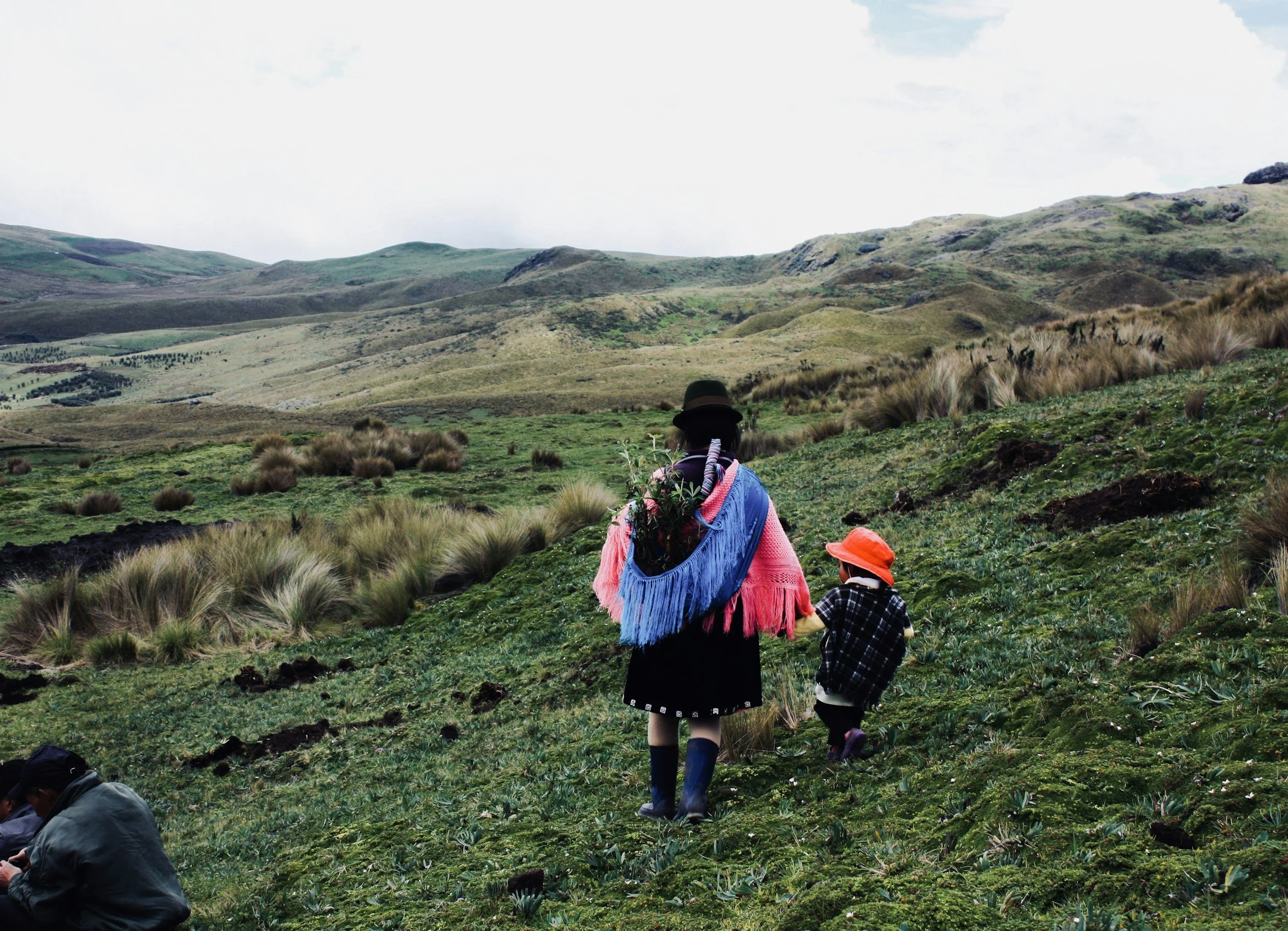
  • A woman and a young girl walking through grassy hills with mountains in the background; the woman is carrying a backpack with plants inside, and both are wearing hats.

    Stewardship

    At Aangan, no one holds the title of “leader”; we are all stewards. Leadership, as we understand it, is care through service — looking after one another as Mother Earth nurtures all her children. To be a steward is to recognize that we do not simply live on the Earth, we live in the Earth, and to act in ways rooted in that understanding. Relationships take precedence over transactions, and people over projects.

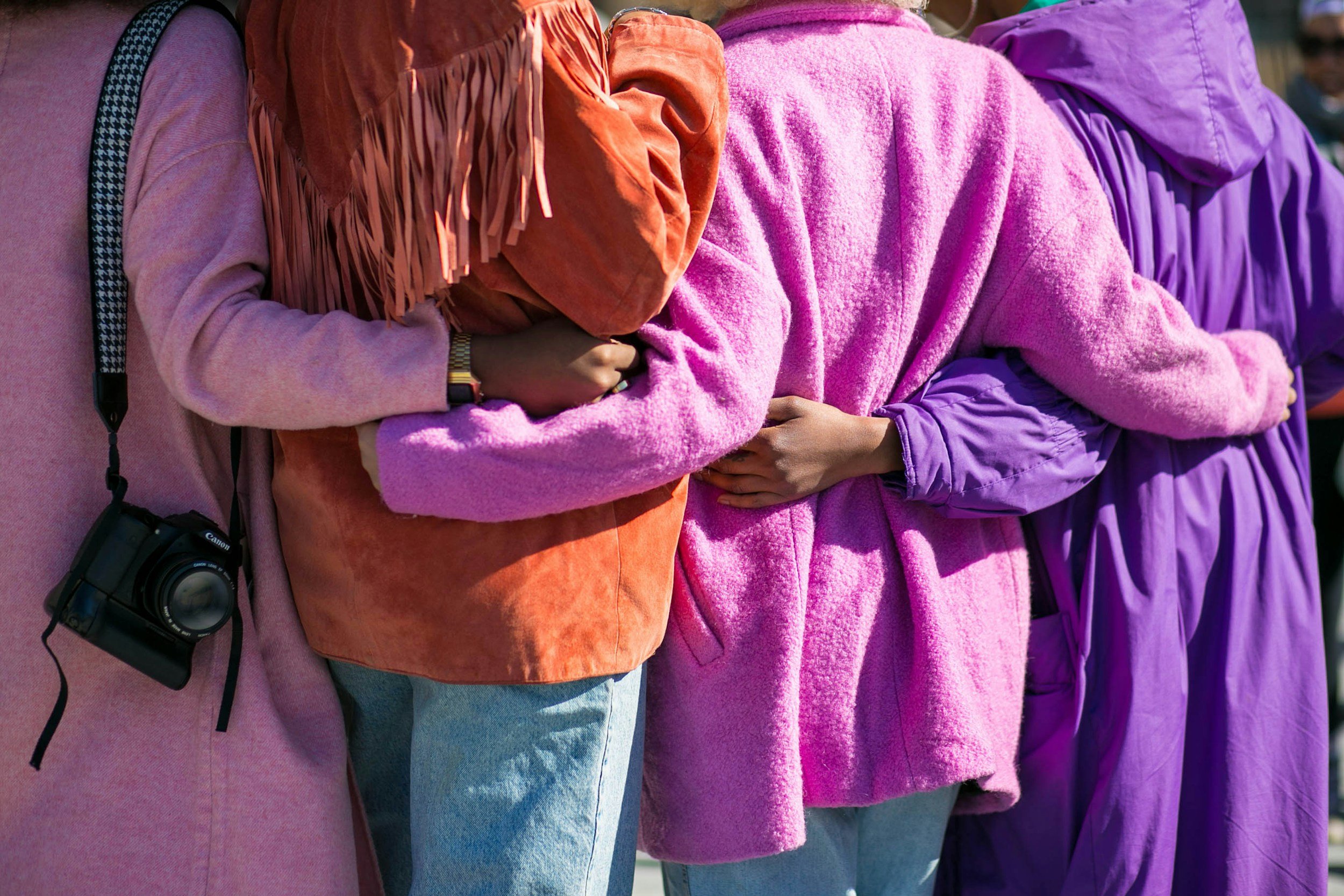
  • Close-up of three people standing outdoors, dressed in colorful jackets, with arms around each other's waists.

    For the common good

    Nature moves as an interconnected web, cycling through life in balance rather than existing as isolated points. Individualism, largely a by-product of colonization, is not only relatively new but also misaligned with the human psyche. In the blind pursuit of personal gain, our responsibilities to our shared home have often been neglected. Pursuing the common good means creating spaces for collective care, where each individual contributes their unique gifts to the greater whole. It is the practice of balancing healthy individuation with integration into the collective.

  • Snow-capped mountain peaks at sunrise or sunset with a clear sky.

    Honouring ancestral ways of knowing

    To live in the way of the ancestors is to value knowledge of the heart above knowledge of the mind. Modern systems prioritize logic and treat humans, animals, and the Earth as “resources” for the economy. Ancestral and Indigenous wisdom, by contrast, embraces a worldview as expansive as the cosmos: every being has a place in the web of life, and everyone, regardless of identity or designation, can contribute to the beauty and well-being of the planet we inhabit.